

Abi Hearing Clinic Blog: Hearing Health Insights

What is Benign Paroxysmal Positional Vertigo (BPPV) and the symptoms associated?
BPPV is one the most common causes of vertigo (the sudden sensation of spinning and dizziness). It is characterised by a brief episode lasting up to a minute of mild to intense vertigo especially when the head is moved quickly in a particular direction or when rolling over or standing up from a sitting or laying position.
What is a Bone Conduction Implant?
There are two pathways in which we can hear sound: air conduction and bone conduction. Air conduction is the most traditional pathway where sound travels through the ear canal to the middle and inner structures of the ear. This is the pathway traditional hearing aids utilise. Another method is using sound vibrations through the bones in our head. This is called bone conduction.

Why is Hearing Health so Important?
Hearing is one of the fundamental aspects of successful and impactful communication. When we aren’t hearing well, it makes it difficult to maintain relationships with friends and family, engage in activities, and participate in life events. Hearing allows us to experience the sound of nature, the voices of loved ones, to consume media such as radio and television, and keeps us safe in our busy lives.

What is a Cochlear Implant?
Cochlear implants use electrical stimulation to send sound to the brain. Traditional hearing aids are non-invasive devices which amplify sound to make it louder and more audible, and rely on a residual hearing of the user. Cochlear implants are a permanent surgical solution for more complex types of hearing loss or when hearing aids are no longer providing enough benefit.

Hearing Aids Explained
Today, Hearing Aid technology has come a long way. For the most part, hearing aids still work under the same guiding principle, which is to pick up noise from your surrounding environment and amplify this through converting sound into electrical pulses that travel through your ear canal more directly.

What is Sudden Sensorineural Hearing Loss?
Sudden sensorineural hearing loss (SSNHL) is rapid loss of hearing either all at once or over a few days. SSHL happens because there is something wrong with the sensory organs of the inner ear. SSNHL has a number of causes, ranging from the simple and reversible to the profound and permanent.

What is a Cholesteatoma?
A cholesteatoma is an abnormal skin growth or cyst behind the eardrum, in the middle ear space. It may be a birth defect, but it’s most commonly caused by repeated middle ear infections. A cholesteatoma often develops as a cyst, or sac, that sheds layers of old skin.
What is Otitis Media?
Otitis media (OM) refers to the inflammation and infection of the middle ear space. It can vary in its presentation and severity. When OM occurs, fluid is trapped behind the eardrum in the middle ear space - which is usually an air filled area. Fluid arises from the Eustachian tube, which runs from the middle ear space to the nose. The Eustachian tube function is to equalise pressure in the middle ear space and clear any secretions that arise.
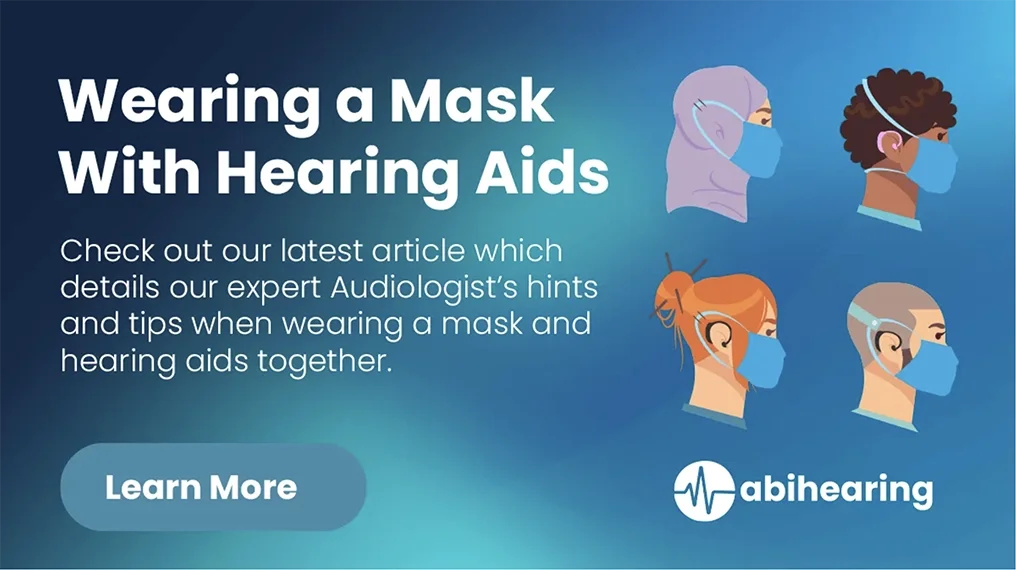
Tips on Wearing a Mask With Hearing Aids
Wearing a mask and hearing aids together presents challenges to people managing hearing loss. This article provides our expert Audiologist's hints, tips and tricks for increasing comfort and reducing interference when wearing hearing aids with masks.

What is Ear Wax?
Wax, otherwise known as cerumen, is naturally occurring and made by the cells inside the ear canal. Wax is designed to protect the ear from dust, foreign particles, and microorganisms, and keep the ear canal lubricated. It also protects the ear canal skin from irritation due to water. It is common for people to be concerned about wax in their ears.

What is Meniere’s Disease?
Meniere’s disease (MD) affects the inner ear, specifically the vestibular which is the balance organ of the inner ear. MD can affect one or both ears and is typically diagnosed between the ages of 30 and 60 years old.

What is Presbycusis?
Presbycusis describes age related hearing loss (60 years and over). This kind of hearing loss occurs slowly over time and begins its impact in the high frequency sounds that provide clarity of speech. For example, hearing a high pitched alarm may be more difficult than the low rumbling of an engine. As this loss is slow and gradual, often people don’t notice a decline in their hearing for many years.
What is exostosis and how can it be treated?
Exostosis, otherwise known as surfer’s ear, describes abnormal bony growth that is benign, in the bony portion of the ear canal. These new growths are a response from the ear to frequent and ongoing exposure to cold water or conditions such as wind.

Hearing Loss Explained
Understanding the Causes of Hearing Loss. Hearing loss occurs when there are problems with one or more parts of the ear. There are many possible reasons for this, which we will explore in more detail below. Hearing is one of the most important senses in the human body and is the result of a complex biological structure made up of several components. These components work together to convert soundwaves into information that can be interpreted by the brain.

World Hearing Awareness Week Australia
This week is “World Hearing Awareness Week” and the team at Abi Hearing are excited to be raising awareness about the prevalence of hearing loss and ear related conditions in our local community. We aim to help Australian’s living with hearing loss to understand more about their specific conditions as well as the available options when it comes to treatment and technology in order to minimise the impact hearing loss has on their lives.

What does an audiologist do?
Many people don’t realise that hearing loss can happen to anyone at any time. This is why as a part of your regular health checks, a hearing test can provide you with the information you need about your ongoing hearing health.
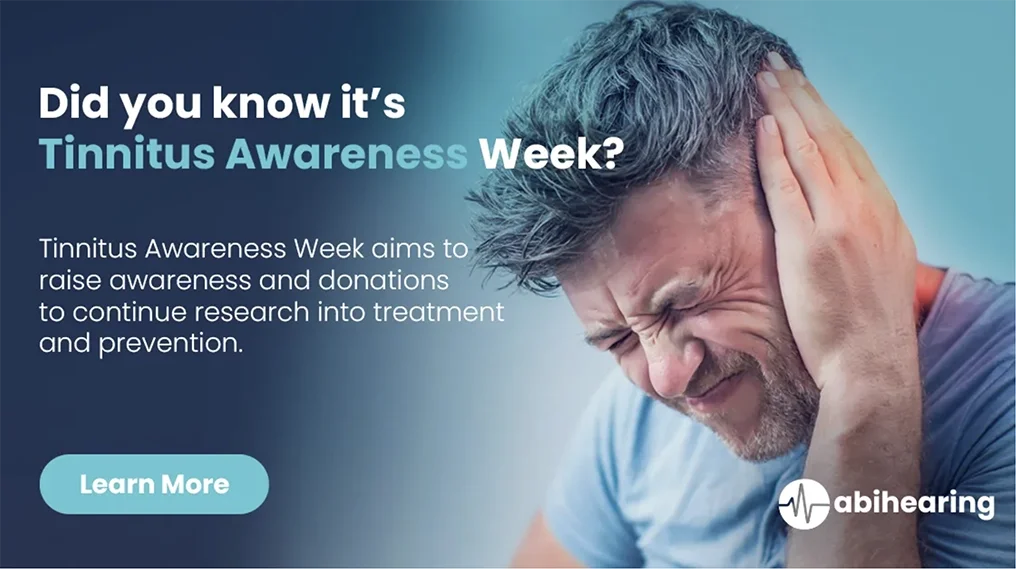
Did you know it's Tinnitus Awareness Week?
Tinnitus is the perception of sound when no actual external noise is present. If you experience what is commonly referred to as ‘ringing in the ears’, you may have tinnitus. You may also perceive other sounds such as buzzing, hissing, whistling, swooshing and clicking.

Top Causes of Industrial Deafness
Many people are unaware that their work environment can contribute significantly to hearing loss. Industrial deafness which is technically known as Noise-Induced Hearing Loss (NIHL) is most common in industries where workers are exposed to loud, prolonged noise above 90 decibels or where exposure to ototoxic chemicals play a part in the day to day roles.

Choosing The Right Hearing Aid
Hearing aids have improved greatly with the advent of digital technology. If you’re picturing big and bulky devices with questionable sound quality, you’ll be pleased to learn today’s instruments are smaller, more comfortable and provide sound that is more natural. They are available in a variety of sizes and styles, so finding one that appeals to your lifestyle needs and cosmetic preferences should be easy. Here are the types available: