

Bone Conduction Implants
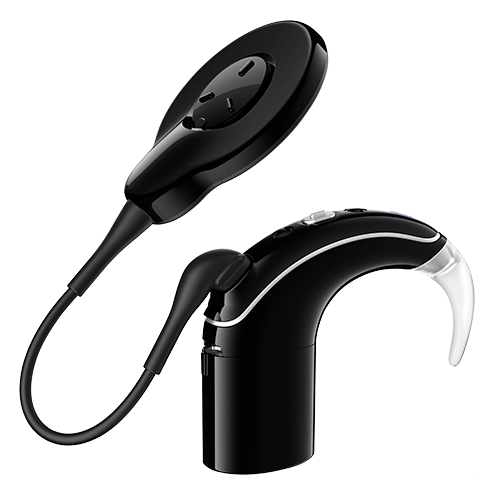
What is a bone conduction implant?
A bone conduction implant is a hearing device that sends sound vibrations directly through the skull bone to the inner ear (cochlea). It bypasses the outer and middle ear, making it ideal for people who cannot use standard hearing aids due to chronic ear infections, ear canal problems, or certain types of hearing loss.
Who can benefit from a bone conduction implant?
You may be a candidate if you have:
Conductive or mixed hearing loss
Chronic ear infections or discharge
Ear canal abnormalities (e.g., microtia, atresia)
Trouble wearing or tolerating hearing aids
Single-sided deafness (one ear normal, one ear profoundly deaf)
A full hearing assessment is required to determine suitability.
How does a bone conduction implant work?
The system has two parts:
An internal implant placed under the skin behind the ear
An external sound processor that picks up sound and converts it to vibrations
These vibrations travel through the bone to stimulate the inner ear, allowing you to hear without relying on the ear canal or middle ear.
Is surgery required for a bone conduction implant?
Yes, for implantable systems. The procedure is typically straightforward and performed by an ENT surgeon. However, many people can trial a non-surgical bone conduction device first, helping them understand potential benefit before considering surgery.
What is the recovery like?
Most patients return to normal activities within a few days. Healing continues for several weeks, and activation of the external sound processor usually happens after the surgical area has healed.
Are there risks to bone conduction implant surgery?
As with any surgery, possible risks include infection, skin irritation, or healing problems. Your ENT surgeon will discuss individual risks based on your health and medical history.
How does the device feel and look?
The external sound processor is small, lightweight, and sits behind the ear on the skin.
Most users report that they forget they’re wearing it after a short adjustment period.
What are the advantages of a bone conduction implant?
Bypasses damaged outer/middle ear structures
Suitable for people who can’t wear traditional hearing aids
Clearer sound in many conductive/mixed hearing loss cases
A good option for single-sided deafness
Many systems have a “try before you decide” option
Does not block the ear canal
Can children receive bone conduction implants?
Yes. Children with microtia, atresia, or chronic middle ear conditions may benefit. Some younger children start with a softband system and progress to an implant when they are older and meet medical criteria.
How do I know if I’m a candidate for bone conducting implants?
Start with a comprehensive hearing assessment at Abi Hearing. If bone conduction technology appears suitable, we will:
Explain all options,
Arrange a trial of a non-surgical bone conduction device (if appropriate), and
Refer you to an ENT surgeon for medical review and implant discussion.
What brands or systems are available in Australia?
Several systems are available, including those from Cochlear Limited, a global leader in implantable hearing technology. We will guide you through the options suited to your hearing and lifestyle needs.
What is the next step?
If you think a bone conduction implant may help you or your child, contact Abi Hearing to book:
A full hearing assessment
A device trial
An implant candidacy discussion
Our team will guide you through every stage, from assessment to fitting and long-term support.